Walmart Rufus
Answers questions, recommends products, and tracks prices, but it does not form a counter-offer for one buyer.
Turn Any Need into a Deal
A marketplace negotiation layer where buyer and seller agents form personalized, backend-validated offers before the shopper makes the final choice.
View on GitHubProject moments

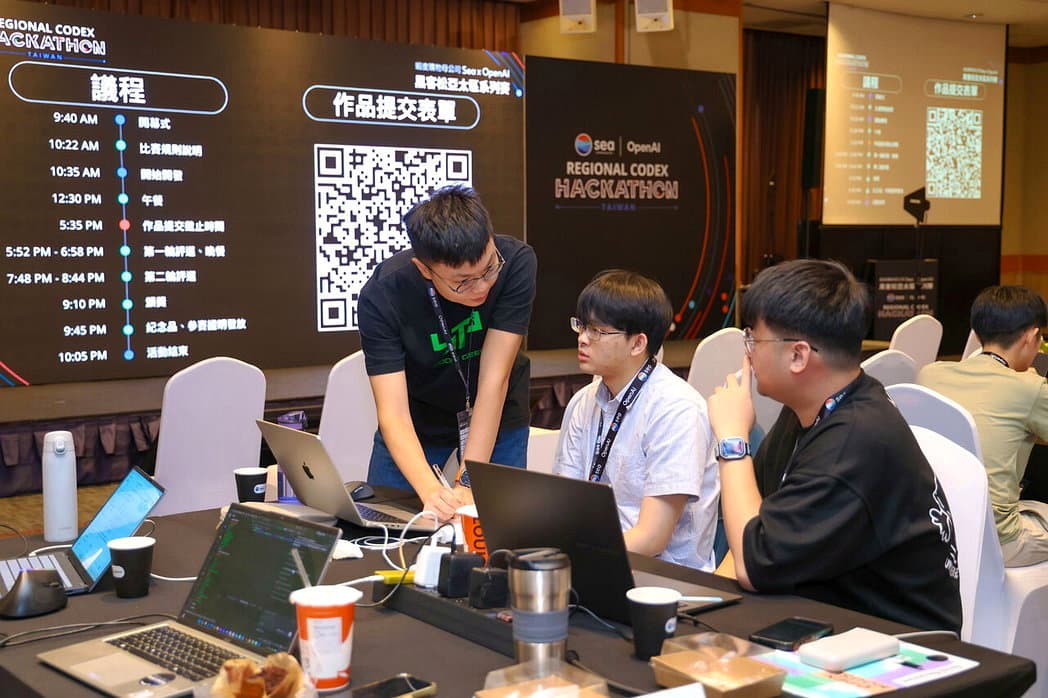
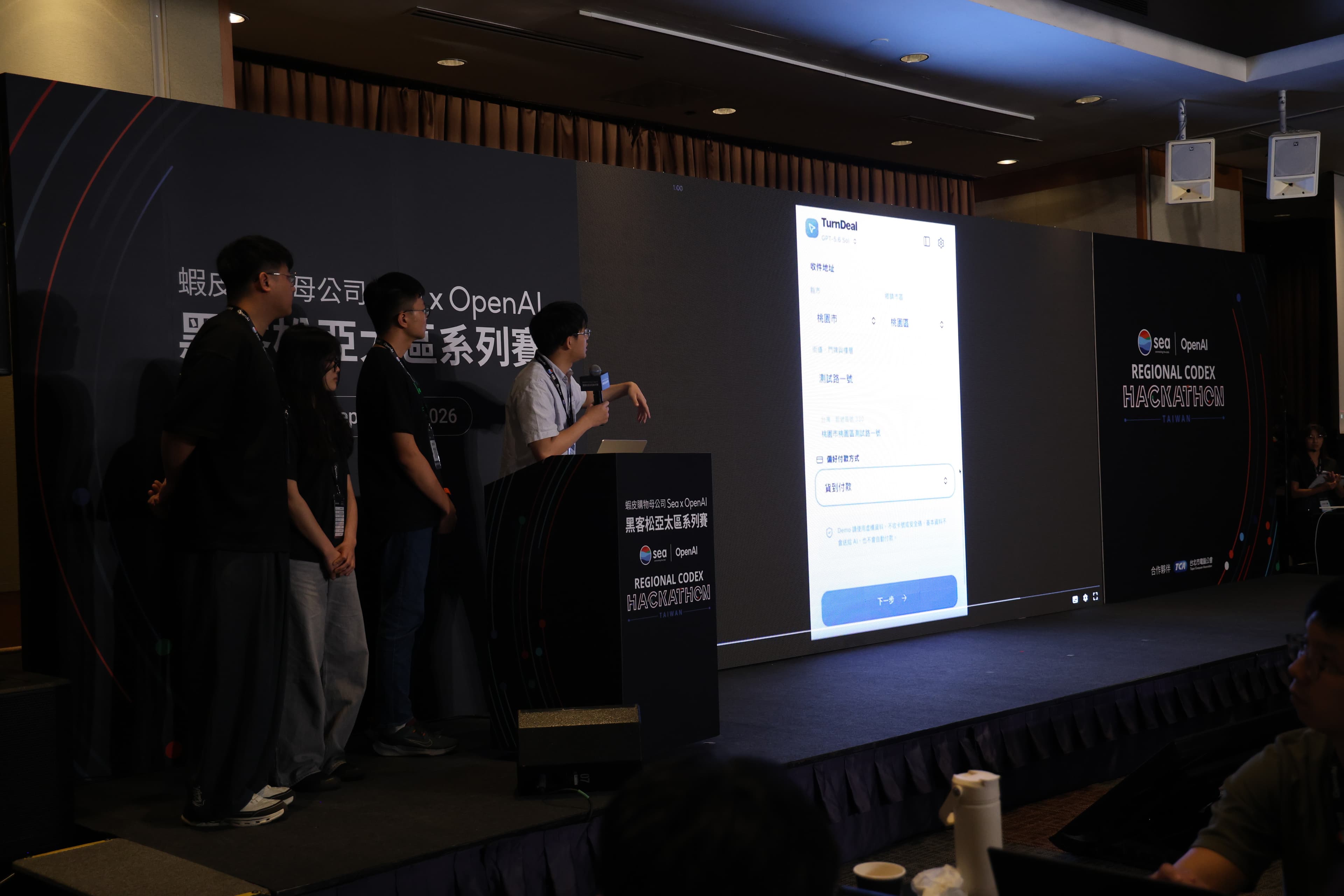
Demo
Problem
AI is becoming a shopping entry point, while marketplaces remain the place where shoppers verify information and complete purchases. Current assistants help with discovery, comparison, and checkout, but they still optimize among published listings. They do not form a buyer-specific counter-offer that can trade price against delivery, bundles, or relationship benefits.
Market Signals
Answers questions, recommends products, and tracks prices, but it does not form a counter-offer for one buyer.
Supports conversational discovery and basket building, but it does not negotiate across competing sellers on the buyer's behalf.
Connects catalogs, checkout, and payments, but does not define how buyer and seller agents form a validated deal before purchase.
Proposed Solution
01
Live product, inventory, rating, logistics, return, and member-benefit data stay with the marketplace. The Formatter turns a natural-language need into hard constraints and ranked preferences for discovery.
02
Private buyer branches negotiate with eligible seller agents in parallel. Each branch protects the seller's policy and context, while synchronized rounds share only anonymized, backend-validated market terms.
03
Sellers configure 22 offer constraints. The backend checks ownership, inventory, total price, delivery, add-ons, and policy limits before publishing an immutable offer for the Evaluator to rank.
04
The React interface shows ranked Deal Cards on desktop and mobile. A shopper explicitly confirms one offer, which the platform revalidates before opening the simulated ACP checkout flow.
System Architecture
Private buyer branches negotiate in parallel before the platform validates, ranks, and checks out a selected offer.
A shopper describes budget, delivery deadline, and product preferences in natural language.
Converts the request into verifiable hard constraints and ranked preferences.
Selects eligible sellers, freezes the request context, and creates isolated negotiation branches.
Each seller sees only its own policy, product context, and branch history. Synchronized rounds can share anonymized, backend-validated market terms.
Request for Quote (RFQ): buyer needs and validated market terms
Own floor price and delivery terms
Request for Quote (RFQ): buyer needs and validated market terms
Own logistics and service terms
Request for Quote (RFQ): buyer needs and validated market terms
Own add-on and benefit terms
After backend validation, anonymized market terms feed the next negotiation round
Checks seller ownership, stock, total price, delivery, add-ons, and policy limits before publishing an immutable offer.
Ranks the complete eligible offer set without seller-private policy data.
The shopper reviews Deal Cards and explicitly confirms a selected offer.
Revalidates the accepted offer, then creates a simulated ACP checkout and payment flow.
Implementation & Outcomes
We designed the pipeline that connects request formatting, catalog discovery, private negotiation, offer validation, evaluation, and checkout confirmation. Shared contracts keep the frontend, runtime, and tests on one negotiation model.
We implemented five seller branches that negotiate in parallel with synchronized rounds. The backend commits a shared revision only after it validates the prior round, keeping competitive information useful without exposing seller-private terms.
We modeled 22 commercial constraints for seller configuration and implemented offer validation, so the system evaluates only offers that meet the seller's inventory, price, delivery, add-on, and policy boundaries.
We built the React interface so the buyer can enter requirements, follow progress, review Deal Cards, and confirm a choice through one responsive flow across desktop and mobile devices.
Limitations
TurnDeal is a hackathon prototype. Product information and prices are scraped from e-commerce sites, and the current database covers mice only. Seller floor prices come from LLM-generated values based on predefined personas, not live merchant policies. Production use would require verified catalog and pricing feeds, real seller integration, stronger policy and fraud controls, privacy review, payment compliance, and experiments with real shoppers and fulfillment outcomes.